Recovery is a deeply personal journey, and it is important to recognize that it can vary from person to person. While complete sobriety may be the goal for some individuals, it is not the only definition of successful recovery. The concept of harm reduction recognizes that individuals may take different paths towards healthier lives and improved well-being. Research has shown that addiction is rooted in changes in the brain’s reward system, leading to a loss of control over substance use.

Tailored Treatment: Addressing Individual Needs and Circumstances
- Rather, it’s a signal to get back on track, either by going back to treatment or adjusting the treatment approach.
- A common misconception surrounding addiction recovery is that relapse is a sign of treatment failure or a lack of commitment to sobriety.
- Treatment stresses the significance of continuous support and follow-up services to keep relapse at bay and maintain sobriety.
Get ready to explore the complexities of addiction, discover tailored treatment options, and debunk common myths surrounding recovery. From addressing individual needs to providing continued support, we will unveil the realities of recovery and shed light on the importance of seeking help and supporting others. Join us in this compassionate environment for recovery with Sandstone Care. A key part of facing the myths’ and misconceptions’ impacts on recovery and treatment is proving that addiction isn’t just a choice, but a complex disease. It affects people of any age, income, ethnicity, religion, family, or profession. It’s not just about willpower; it’s about genes, environment, trauma, and mental health.
Myth #7: Recovery is a Quick Process
By examining the realities of addiction, we can foster a more compassionate, informed approach that supports effective treatment and recovery. This article aims to debunk prevalent myths, clarify truths, and provide myths about addiction and recovery factual insights into the complex process of overcoming addiction. In this article, we’ve gathered insights from leading medical, mental health, and legal experts to dispel some of the most pervasive myths surrounding substance abuse, addiction, and recovery. These medications help reduce cravings and withdrawal symptoms, making it easier for individuals to stay sober.
You Have to Hit “Rock Bottom”
- Prescription drugs can be dangerous, so it’s important to be aware of their potential effects.
- A recovery program that includes counseling, support networks, and practical strategies is what builds lasting change.
- It is important to recognize that addiction is a disease that requires compassion, education, and resources for successful recovery.
- Recovery is a lifelong process and may require ongoing maintenance and support, but it is possible to break free from the grips of addiction and live a fulfilling life in recovery.
- Recovery is a deeply personal journey, and it’s important to move forward armed with the facts.
- Prescription drugs are the most in the hands of individuals intent on using them recreationally.
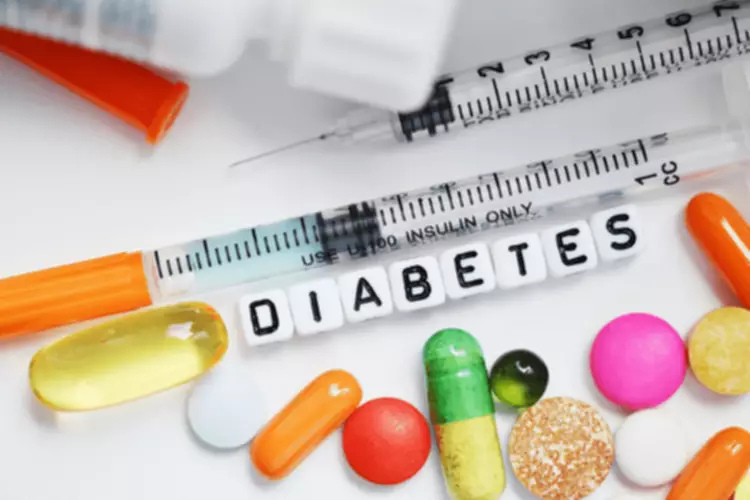
Recognizing signs of addiction and seeking treatment sooner prevents further health complications and social consequences. Professional support, even in the initial stages, can alter the course of addiction positively. It shows that one does not need to wait for complete destruction or failure of social or personal responsibilities to start recovery. Addiction is a chronic illness, so like other chronic illnesses, such as diabetes or asthma, addiction needs consistent management and monitoring. Cravings for drugs or alcohol can occur spontaneously, and relapse can happen even years after successfully completing a treatment program.

You Must Hit Rock Bottom Before Seeking Treatment
Experimenting with substances might seem harmless, but even initial use can lead to significant consequences. Many people make assumptions about a person’s character or morality when they have an addiction. While it is true in some cases that a person may choose to experiment with a substance, it does not mean that they actively chose to https://ecosoberhouse.com/article/10-major-physical-signs-of-alcoholism-to-watch-out-for/ struggle with addiction.
Relapse: Normalizing and Providing Continued Support
- People actively involved in AA often complain that their friends ask them why they are not cured yet since they go to meetings all the time.
- Addiction is a complex chronic disease that affects the brain’s reward system, leading to compulsive drug seeking and use, despite negative consequences.
- It’s important to recognize that addiction is a chronic condition that often requires evidence-based treatments, such as therapy, medication, and support groups, to overcome.
- It is essential to confront these myths and address the addiction that usually goes unseen.
- Treating the person holistically – addressing underlying issues, providing counseling and therapy, and putting in strategies to prevent relapses – increases chances of success.
Waiting for “rock bottom” before seeking help can be risky and result in further harm. Seeking treatment should be seen as a alcoholism pro-active step towards wellness, not a miracle cure. Treatment for addiction is not a cure, but rather the initial step towards wellness.